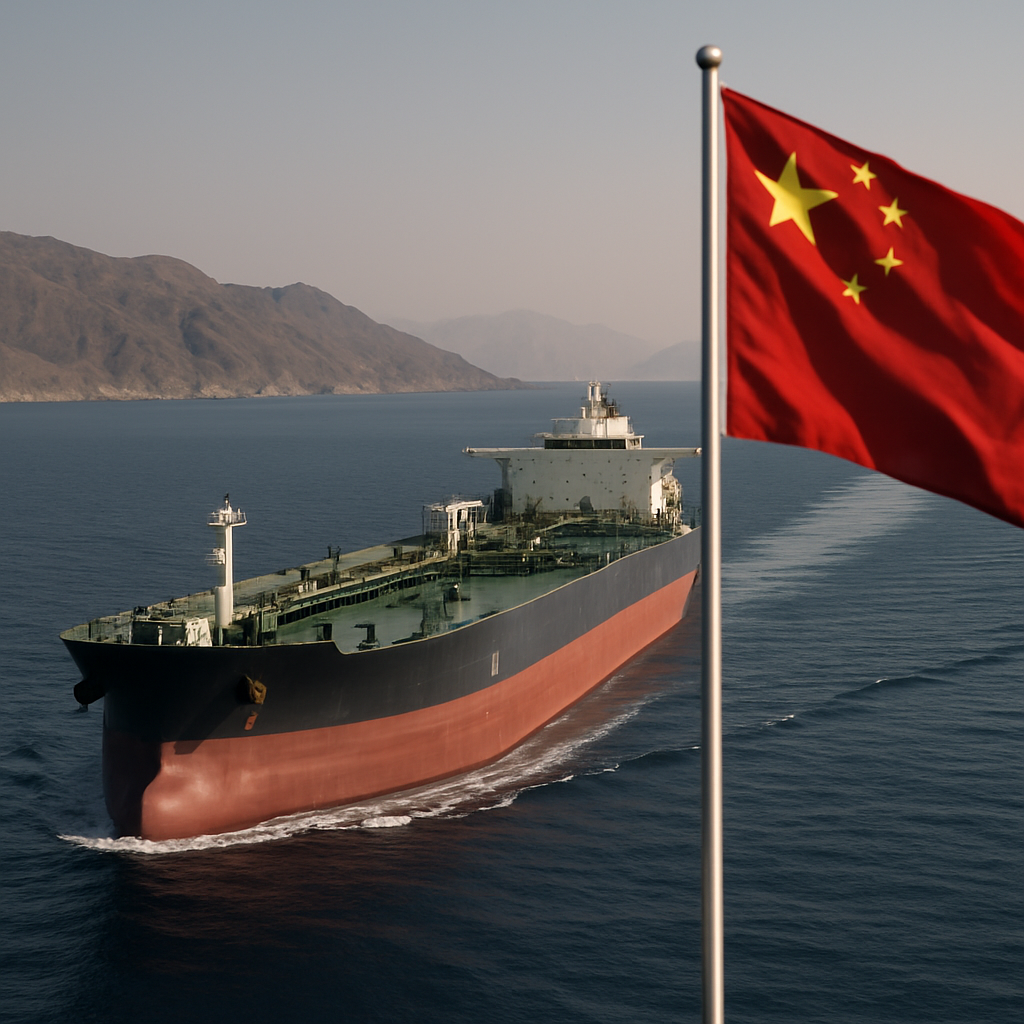
How China Oil Imports Through the Strait of Hormuz Show Impact and Stockpiling Strategy Amid Crisis
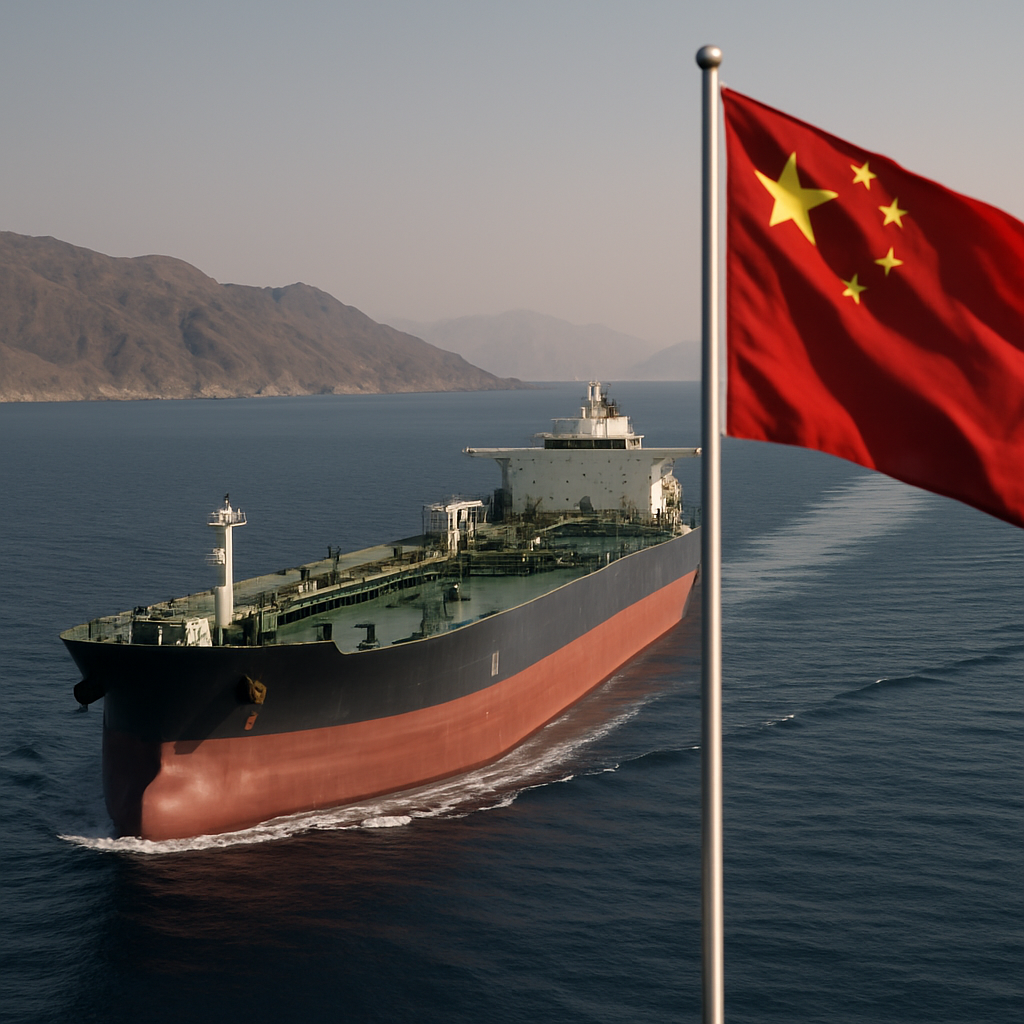
Disruptions in oil flows through the Strait of Hormuz have a direct, visible impact on China. When this vital waterway is threatened, as during the recent Iran-Israel crisis, China’s energy security faces immediate tests. About half of China’s crude imports pass through this chokepoint. The country has prepared for such events with huge stockpiles and diversified supply routes, but short-term shocks still ripple through global oil markets and China’s own economy. Here’s what you need to know about the real-world effects, how China adapts, and why it matters far beyond the oil industry.
What Share of China’s Oil Imports Depend on the Strait of Hormuz?
Roughly 45-50% of China’s crude oil imports move through the Strait of Hormuz, making this route a vital artery for the country’s energy supply. When tensions in the Middle East threaten to close or restrict transit, China must quickly weigh its options and activate backup plans.
The Strait of Hormuz connects top oil-producing nations—such as Saudi Arabia, Iran, and Iraq—with Asian consumers. For China, this means an outsized portion of oil must navigate this strategic path. That dependency brings risks, as evidenced by shutdowns and slowdowns linked to regional conflict. When supply through Hormuz drops, Chinese refineries either pull from strategic reserves or hustle to find alternative suppliers.
China’s heavy reliance on Hormuz means any threat instantly impacts shipping costs and availability. As highlighted in a recent analysis by Columbia University’s Center on Global Energy Policy, about half of Chinese crude imports and roughly a third of its liquefied natural gas (LNG) cross this critical waterway. Disruptions ripple quickly, but China’s deep storage helps cushion blows in the short term. Read more about the numbers and China’s preparedness here.
Can China Withstand Major Disruptions in the Strait of Hormuz?
China is remarkably well-prepared for oil supply shocks—at least over a period of several months. Strategic petroleum reserves and commercial storage give the country an important buffer. In early 2025, China’s total oil reserves were estimated at about 1.39 billion barrels, equivalent to four months of net imports.
Such massive reserves aren’t just about having oil in tanks—they give policymakers time to arrange alternate supplies, manage domestic consumption, and ease market fears. During the Iran-Israel conflict, for instance, China’s crude imports fell to their lowest in nearly eight years, but the country leaned heavily on stored oil rather than chase expensive spot shipments. As recent news coverage explains, state-owned refineries used reserves to bridge the gap while monitoring fuel demand and global prices.
Still, prolonged or severe blockages would eventually test even China’s preparedness. If the Strait stayed closed for half a year or more, China would need to dramatically increase imports from Russia, Africa, or the Americas. It might also have to adjust domestic fuel pricing or ration certain end uses. But for short-term shocks and crises, the country’s stockpiling approach has proven effective and prudent.
By drawing on these reserves, China protects its industries from sudden price spikes and keeps its economy running, even as global headlines swirl.
How Have Hormuz Tensions Affected China’s Oil and Commodity Import Patterns?
Major geopolitical flashpoints aren’t just abstract headlines—they change the rhythm of China’s commodity trade almost overnight. Take the spring of 2026: China’s crude oil imports dropped sharply in May, totaling only about 33 million tonnes. This was the lowest level seen in nearly eight years, driven primarily by the Iran-Israel conflict impacting both oil flows and broader demand.
According to industry updates, Chinese buyers initially cut back their purchases for several reasons:
- Worries over delivery reliability and shipping insurance in the Persian Gulf
- Reduced flows of Iranian crude, thanks to tighter enforcement and risk premiums
- A shift toward drawing down existing reserves rather than importing at spot-market highs
Yet, China’s commodity imports aren’t limited only to oil; liquefied natural gas, metals, and foodstuffs can all be affected when shipping lanes tighten. Despite the turbulence, China managed to avoid fuel rationing, thanks to large inventories and flexible buying strategies. For a deeper look at the month-by-month impact on China’s energy imports and strategies, see this in-depth news breakdown.
Why China’s Problem in Hormuz Is Less About Oil Shortage and More About Slowdowns
Headlines often focus on the idea of a complete “oil shortage.” For China, though, the true problem isn’t running out of barrels—it’s the slowdown, higher costs, and logistical headaches caused by disruption. China’s oil storage cushion means refineries rarely run dry in response to even a major incident.
However, delays still cause complications. Refiners pay higher prices for alternative or “rushed” shipments. Insurance fees jump. Some shipments are rerouted around the Cape of Good Hope, adding weeks to delivery times and draining inventory faster than planned. Meanwhile, financial uncertainty can drive up domestic fuel prices even if underlying stocks remain healthy.
China’s sophisticated supply management dulls the edge of these shocks, but market confidence can erode quickly if disruptions persist or escalate. The government must balance a measured response—using reserves gradually—against the risk of depleting strategic inventory before new solutions are in place. These moves are carefully observed not only by traders, but also by policymakers in oil-exporting nations who depend on Chinese demand.
This slow drain and the ripple effects across logistics, insurance, and trade relationships turn a short-term event into a potential long-term challenge if not managed smoothly.
How China’s Oil Stockpiling Strategy Has Been Vindicated by Recent Strait of Hormuz Crises
China’s policy of building vast oil reserves has frequently been questioned for its size and expense. But every time a crisis hits the Strait of Hormuz, that strategy looks not just justified, but essential. Large storage volumes provide breathing space to respond to market shocks, negotiate new deals, and avoid panic buying.
The recent Middle East tensions validated this long-term policy. With ready stockpiles, China sidestepped the worst of spot market volatility, preserving stability for consumers and industry. As detailed by energy policy experts, the reserves let China keep critical sectors supplied even as tankers to and from the Gulf slowed, diverted, or got stuck offshore.
Alongside massive reserves, China’s diversification—boosting imports from Russia, West Africa, and the Americas—adds another layer of security. Together, these measures allow China to weather short-term blockages without major economic fallout. And while perfect energy security may be a mirage for any nation, China’s experience shows just how effective practical planning and resource management can be during turbulent times.
Experts agree that, despite the unpredictability of regional conflict, China’s oil stockpiling and diversified imports are powerful buffers against the next big crisis.