What to Know About the Tariff Refund Class Action Lawsuit and Refunds for Individuals
 Import Export
If you have purchased imported goods in recent years and noticed price hikes, you might be wondering if you are eligible for a tariff refund class action lawsuit. The impact of a pivotal Supreme Court ruling on tariff legality is now leading to a surge of class actions, with plaintiffs hoping to recover money spent on unjustified tariff-induced costs. If you want to understand who may get refunded, how refunds might be claimed, and what the outcome could look like for individuals and consumers, here is what you need to know.
Why Are Tariff Refund Class Action Lawsuits Happening Right Now?
The main driver is a Supreme Court decision declaring certain U.S. tariffs imposed under the International Emergency Economic Powers Act (IEEPA) unlawful. As a result, the U.S. Court of International Trade ordered the government to issue refunds—primarily to importers and businesses who paid the tariffs up front. This legal win for importers has prompted a wave of class actions from consumers and retailers who believe they paid inflated prices due to those same tariffs. The lawsuits argue that brands and stores unfairly passed tariff costs onto consumers and that money should now be refunded.
You can learn more about the underlying rulings and early litigation strategies from legal experts by reviewing takeaways from the first round of tariff refund complaints. The uptick in filings has swept across industries, targeting big-box retailers, consumer brands, and import/export businesses. These claims usually cite legal theories like unjust enrichment or deceptive practices, contesting that end-user consumers should be compensated, not just importers.
Retailers that raised prices based on anticipated or actual tariffs now face questions about whether those price increases should be reimbursed, especially if the added costs were invalidated by the court's decision. For brands that did not apply for government refunds but increased prices due to tariffs, class action risk remains high, as highlighted in advisories for consumer-facing companies.
Are Individual Consumers Actually Receiving Tariff Refunds?
No direct tariff refunds from the government are being sent to individual consumers. Most refunds are currently being processed for importers of record—typically large companies or retailers that initially paid the tariffs when goods entered the United States. However, class action lawsuits seek to push some of these recovered funds down to end consumers who believe they overpaid due to the tariff cost increases. Whether these efforts succeed will depend on how the courts rule in the coming months.
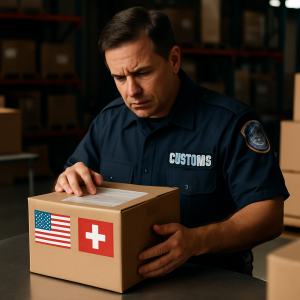
The U.S. Customs and Border Protection has set up a structured refund process, but it is largely limited to the original importer. According to legal and industry analyses, consumers must pursue class actions against businesses if they wish to claim any payout, as they are not eligible to apply directly for government refunds.
As a result, while some class members may eventually receive compensation if lawsuits are successful, there is no guarantee, and no widespread distribution to individuals has occurred yet. The potential for refunds exists, but the legal process is still evolving, and most consumer claims remain unsettled.
How Can Individuals Claim a Refund from a Tariff Lawsuit?
If you are hoping to recover a portion of what you paid due to increased prices linked to tariffs, your path will almost always be through a class action settlement—not a direct government application. Typically, a law firm representing affected consumers will form a class, file a lawsuit, and then notify eligible individuals if a settlement or court decision is reached. Eligibility requirements and claim processes are determined by the specific terms of each lawsuit.
Consumers usually need to submit a claim form with documentation or evidence of affected purchases, such as receipts or order confirmations. Settlement administrators may also provide online portals for submitting claims, especially for goods widely distributed by large retailers. Exact steps will be outlined in the official lawsuit or settlement documentation if and when a class is certified and compensation becomes available.
Importers, on the other hand, follow government-led procedures and may already be getting refunded for previously paid tariffs. For consumers, staying informed via class action trackers and law firm updates is important if you want to participate in a potential settlement. Be cautious of scams—always verify any claim sites or notices through official legal channels before providing your information.
What Is an Average Class Action Payout per Person in These Cases?
Average class action settlement amounts per person vary widely and are difficult to predict for tariff refund lawsuits. Generally, individual payouts depend on the size of the total settlement fund, how many claimants participate, and proof of purchase requirements. Some settlements may only offer a few dollars per person; others with clear, well-documented claims could result in much larger checks.
Payouts could be minimal if millions of consumers qualify or if insufficient documentation exists to prove how much each person overpaid. In other consumer class actions, such as those involving product defects or data breaches, typical payments have ranged from under $10 to several hundred dollars. Tariff class actions could fall anywhere in that spectrum, depending on how damages are calculated and distributed.
Legal fees, administrative costs, and the number of class members all impact the final individual payout. At this early stage of tariff refund litigation, settlement figures and per-person amounts remain speculative. Following the lawsuits as they progress is the best way to keep expectations realistic and up to date.
What Should Retailers and Consumers Do Next?
For retailers and brands, taking stock of price increases, refund applications, and customer communication is critical as class actions proliferate. Reviewing compliance procedures and engaging legal counsel can help companies assess risk if their products became more expensive due to now-invalid tariffs. Businesses that have already received refunds should carefully consider whether any benefit must be passed on or disclosed to consumers as lawsuits move forward.
Consumers should remain alert for legal notices, class action announcements, or eligibility emails regarding purchases made during the relevant periods. If a settlement is reached, it pays to review your records and file a claim promptly. Being proactive could maximize your chance to receive compensation, albeit most likely a modest amount unless you made large purchases affected by the tariffs.
Staying informed through reputable legal sources and the official court system will protect you from misinformation as the picture around tariff refunds and class action outcomes continues to change.
For both sides, keeping documentation and paying attention to ongoing litigation is the best way to be prepared as this major legal battle unfolds.