What Are the Indian Mango Export Challenges for Supply Chain Excellence and Growth?
 Import Export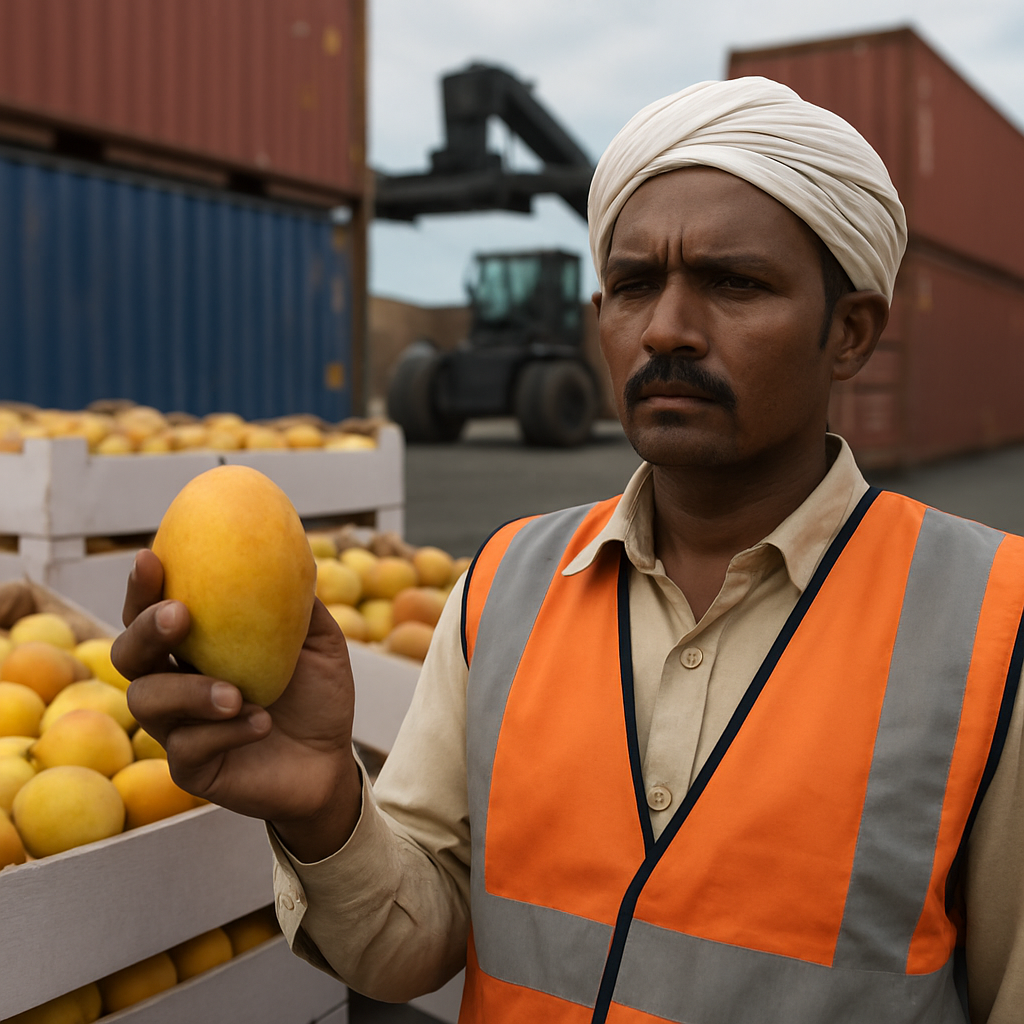
If you are curious about why Indian mangoes sometimes struggle in the global market, the answer lies in a mix of strict international regulations, recurring quality complaints, and unique supply chain hurdles. Indian exporters face a web of tough compliance rules, especially for countries in the EU and US, along with delays and setbacks linked to logistics, safety standards, and transparency demands. Understanding these hurdles is critical to keeping Indian mangoes competitive worldwide—and unlocking their real export potential.
How Do Indian Mango Export Challenges Impact Supply Chain Excellence?
Mounting export challenges have forced Indian producers and exporters to rethink their entire supply chain strategy. Strong supply chain management is now a make-or-break factor in getting Indian mangoes into premium markets without costly delays or rejections.
Exporters need to meet tough standards, from picking and packing to pre-export testing and digital traceability. According to industry analysts, aligning Indian Maximum Residue Limits (MRLs) with those of major buyers like the EU and the US is one of the main hurdles. These markets demand constant proof of compliance, quality, and transparency throughout the exporter’s entire supply chain.
Even a small breakdown in the process—say, a shipment failing a pesticide residue test—can lead to expensive market bans or import alerts. That is why exporters must build supply chains that balance efficiency with rigorous quality assurance. Success is no longer about volume alone; precision and proven reliability matter more than ever.
Government support, better infrastructure, and robust digital monitoring will help address these issues with time. As export requirements become more sophisticated, ongoing investment in supply chain upgrades will play a pivotal role in sustaining India’s position as a global mango supplier.
What Did the Malihabadi Dussehri Case Study Reveal About GI Mango Export Barriers?
The story of the GI-registered Malihabadi Dussehri mango stands as a real-world example of both promise and pain for Indian mango exports. This distinct variety—prized for its flavor and origin—often falls prey to the same export hurdles that affect the wider industry.
GI (Geographical Indication) labeling should, in theory, boost competitive advantage. But even Malihabadi Dussehri exporters have battled with bureaucratic hurdles in documentation, inconsistent cold chain management, and delays at international ports. Rejections—especially in the EU—are typically triggered by inability to meet phytosanitary or quality assurance benchmarks, rather than any lack of demand.
Recent years have seen a push toward digitalization of GI supply chains and improved farm-to-shelf traceability. Still, as industry experts point out, testing and regulatory harmonization remain ongoing struggles. Only by resolving these can exporters fully leverage the cachet of a GI product for sustained export growth.
How Do Safety and Compliance Issues Drive Indian Mango Export Growth or Rejection?
Safety and compliance are the gatekeepers for Indian mangoes entering lucrative global markets. International buyers—especially in Europe and North America—are quick to reject shipments for breaches such as excessive pesticide or fungicide residue, presence of pests, or lack of traceability.
Between 2020 and 2022, well over 300 Indian agri-shipments were reportedly rejected in the EU, with mangoes frequently caught for non-compliance alongside other high-risk items like rice and spices. Newer rules have also flagged contamination risks in Indian black pepper and mangoes due to Salmonella, mold, and filth. These repeated incidents expose weak spots in India’s export monitoring process and highlight the need for systematic pre-export testing of high-risk fruits.
Despite these setbacks, there is a clear upside: countries that can guarantee consistently safe, traceable produce gain faster market access and may command premium prices. By investing in better digital traceability and harmonizing local standards with buyers overseas, India can reduce its rate of rejection and position its mangoes for stronger exports in years ahead. Success will hinge on more than just production—it’s about earning trust through reliability and transparency. For a deeper breakdown of safety issues plaguing Indian agri-exports, see detailed analysis from leading industry observers here.
Which Countries Offer the Best Profit for Indian Mango Exports?
Profitability in Indian mango exports is not just about finding a buyer—it's about finding the right match between price, compliance cost, and regulatory stability. The Gulf, Europe, and North America remain top-paying destinations, but each comes with its unique challenges and risk profile.
The Middle East and Gulf nations often present fewer regulatory barriers and buy in larger volumes, making them attractive if speed and cost are priorities. The EU and US, by contrast, pay more for quality but enforce stringent rules that demand extra spending on compliance and logistics. Navigating the complex paperwork and repeated inspections in these markets can eat into profits quickly if not managed efficiently.
Some Indian exporters split shipments according to market demand: sending top-graded fruit to the US and UK, and the rest to regional Asian hubs or African nations. As international buyers favor reliable, safety-oriented suppliers, Indian exporters who invest in rigorous certification and traceability stand a better chance of accessing premium, high-margin markets.
The trick is constant adaptation. Focusing on one profitable country may backfire if regulations shift. Strategic diversification, backed by strong compliance habits, will help Indian mango exporters ride out market volatility and maximize export benefits.
How Have Liberalization and Recent Setbacks Shaped the Competitiveness of Indian Mangoes?
Liberalization has opened new doors for Indian mangoes globally, but it has also exposed the industry to tougher competition and regulatory risk. Recent setbacks—from temporary bans to repeated shipment rejections—have revealed that opening markets alone is not enough for export success.
Post-liberalization, Indian exporters have faced a growing list of technical, safety, and documentation requirements. High-profile incidents—like the US or EU temporarily suspending imports due to repeated compliance failures—have made national headlines and forced a rethink of export strategy. According to food industry experts, buyers today reward only those exporters who demonstrate quality and traceability at every step.
To remain competitive, Indian growers and exporters must go beyond basic liberalization policies. This means investing in better training, certification, and real-time monitoring of every shipment. By turning compliance from a hurdle into a platform for excellence, Indian mangoes can regain their footing in major markets and win back buyer trust.
Future growth depends not just on growing more fruit or reaching new countries—but on building a reputation for probity and performance that meets the rising bar set by international standards.
Indian mango export challenges are here to stay, but proactive upgrades in supply chain transparency, safety compliance, and market targeting can help transform risk into opportunity—and keep Indian mangoes at the forefront of global trade.