What Causes a Delivery Exception Delay in Import Customs Clearance Goods Inspection for Your Package?
 Import Export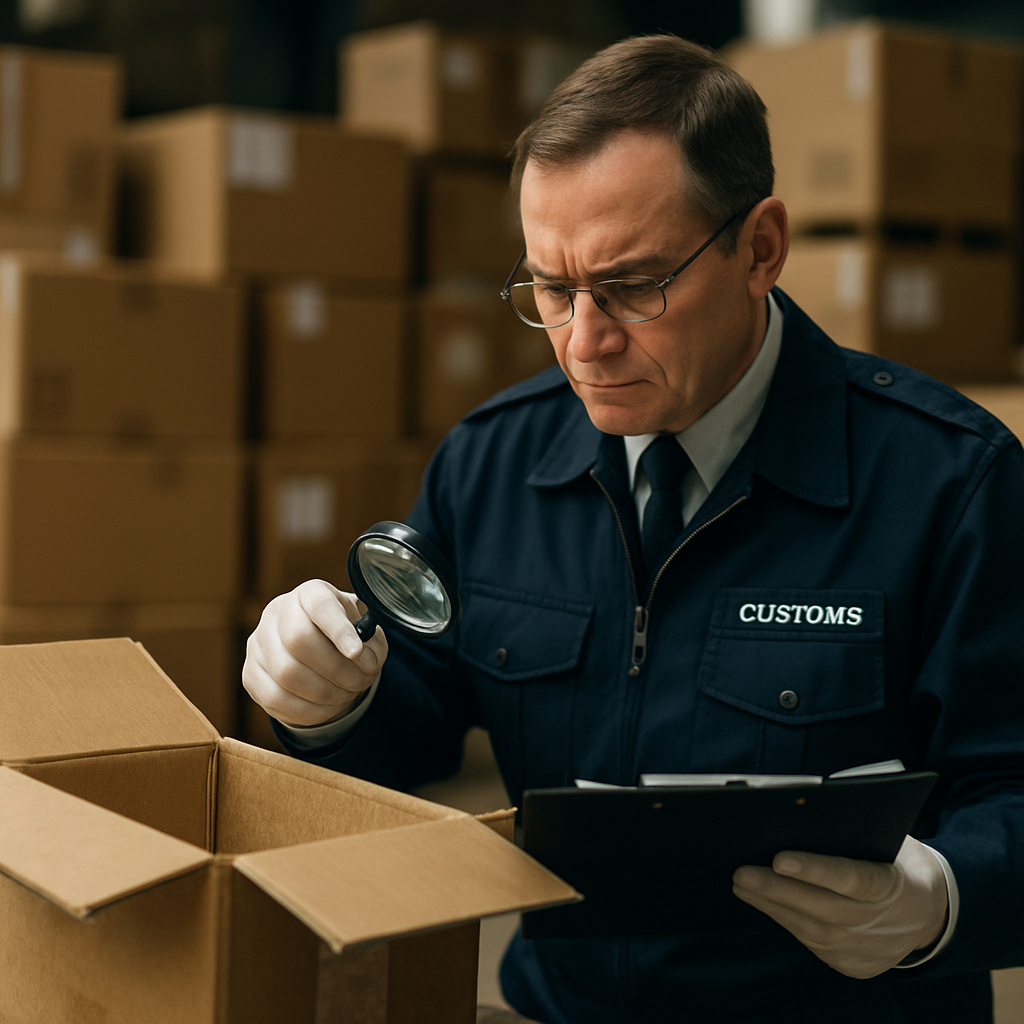
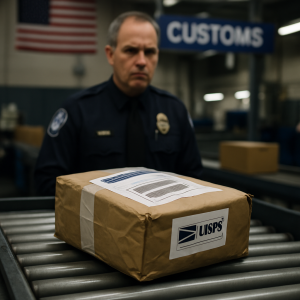
When your package is held up due to a delivery exception delay in import customs clearance goods inspection, the core issue usually revolves around a customs authority pausing the shipment for further review, missing paperwork, or goods inspection. These delays can last anywhere from a day to several weeks. The fastest way to get your package moving is by understanding the reason for the hold and proactively addressing any requests from customs or your courier.
How Long Can Import Customs Hold Your Package for Goods Inspection?
Import customs can retain your package for inspection anywhere from a few hours to several weeks, depending on the type of goods and the complexity of the paperwork involved. For most shipments with complete documentation and no red flags, clearance happens within 24-72 hours.
If your shipment contains items that raise suspicion—like electronics, pharmaceuticals, or restricted goods—expect longer holds. Packages requiring additional paperwork or goods flagged for further inspection often face extended delays, especially if local holidays or port congestion is involved. According to recent guidance, missing or incorrect documents are the top reason for a shipment being held at customs. Timing also varies by country and port workload.
To minimize inspection time, always check your documentation, clarify item descriptions, and maintain contact with your shipper or forwarder for real-time updates.
Why Does My Package Get Stuck in Customs During Clearance?
Packages typically get stuck in customs because of incomplete documents, unpaid duties, or goods requiring extra regulatory checks. Customs uses a combination of electronic and manual checks, and any inconsistency or missing data can immediately put your shipment on hold.
The reasons break down into a few main categories: missing commercial invoices, expired import licenses, incorrect Harmonized System (HS) codes, or a flagged compliance issue. For example, if the export declaration papers from China are missing, customs officers will stop the process until these are provided, causing delays that can sometimes last weeks. Items that are prohibited or restricted, or seem suspicious, are quick to attract extra scrutiny.
If your tracking information says "clearance delay" or "customs exception," contact both your carrier and shipper. You may have to provide supporting documents, clarify product information, or pay additional fees. As industry experts explain, proactively resolving discrepancies is the best step to move your package forward.
How Long Does an Import Clearance Exception Delay Delivery, Especially for FedEx Shipments?
FedEx import clearance exception delays can range anywhere from a single day to several weeks. The exact timeframe depends on the shipment's destination, local customs efficiency, document availability, and whether additional inspection of the goods is mandated by authorities.
For straightforward goods and paperwork, delivery delays are short—often a day or two. When regulatory mismatches, missing documentation, or payment of extra duties are involved, you could see a several-week hold. If your FedEx tracking number lists "clearance delay," quickly supply missing paperwork and monitor status updates regularly. For time-sensitive or perishable goods, delayed clearance can directly impact product viability and cause financial loss, making fast action essential. Real-time tracking and direct communication with FedEx can often expedite resolution, as outlined in best practice guides.
Delays with international carriers often stem from local regulations, such as Australia or Haiti's import requirements, or periods of infrastructure overload. Reaching out to the FedEx brokerage team can help dissect the issue and get tailored advice on what each destination needs for swift release.
What Causes Prolonged Delays in Customs Clearance and Goods Inspection?
Several factors contribute to prolonged customs clearance and goods inspection delays. These generally involve incomplete or incorrect shipping documents, underdeclared goods value, or the inclusion of controlled or restricted items in your package.
When customs officials require further verification or inspection, they may physically check your goods—delaying the release until they are satisfied with their findings. Packages are regularly flagged for issues like "QUALITY INSPECTION FAILED," especially in marketplaces like AliExpress or Alibaba. If the documentation provided is inconsistent with the goods received, customs will quarantine the shipment until clarification is provided.
Delayed customs clearance is also commonly caused by:
- Incorrect paperwork (commercial invoice, Certificates of Origin)
- Unpaid or underpaid duties and taxes
- Lack of required permits or licenses
- Random or risk-based customs inspections, especially for high-risk categories
- Logistical bottlenecks at busy ports or during holiday surges
If you're importing to places like Australia, delays are frequent due to stringent local regulations and high inspection standards. Detailed documentation and understanding country-specific rules are crucial, as outlined by experienced logistics providers.
How Should You Respond to a Delivery Exception or "Quality Inspection Failed" Status?
Start by closely reviewing your shipping and customs paperwork, looking for any mistakes or missing information. If your status says "delivery exception," "clearance delay," or "quality inspection failed," contact your shipping agent, logistics platform (such as ShipStation or platforms like Alibaba), and the courier immediately.
Address requests from customs as soon as possible. This may mean providing additional invoices, clarifying product details, or submitting missing export declarations. In cases where your package fails quality inspection—as can happen with Aliexpress or Alibaba orders—ask your supplier to engage with customs, and always respond promptly to any queries to avoid escalation or return of your goods.
Staying diligent, maintaining accurate shipment records, and promptly responding to requests will speed up resolution, reduce the risk of extra storage fees, and help prevent delivery exceptions from escalating into long-term delivery failures. Doing these things well ensures you get your goods, even when customs inspection causes an unexpected pause.
Knowing the details behind a delivery exception delay in import customs clearance goods inspection can make the difference between a few days of inconvenience and weeks of frustration, so always stay proactive and informed.