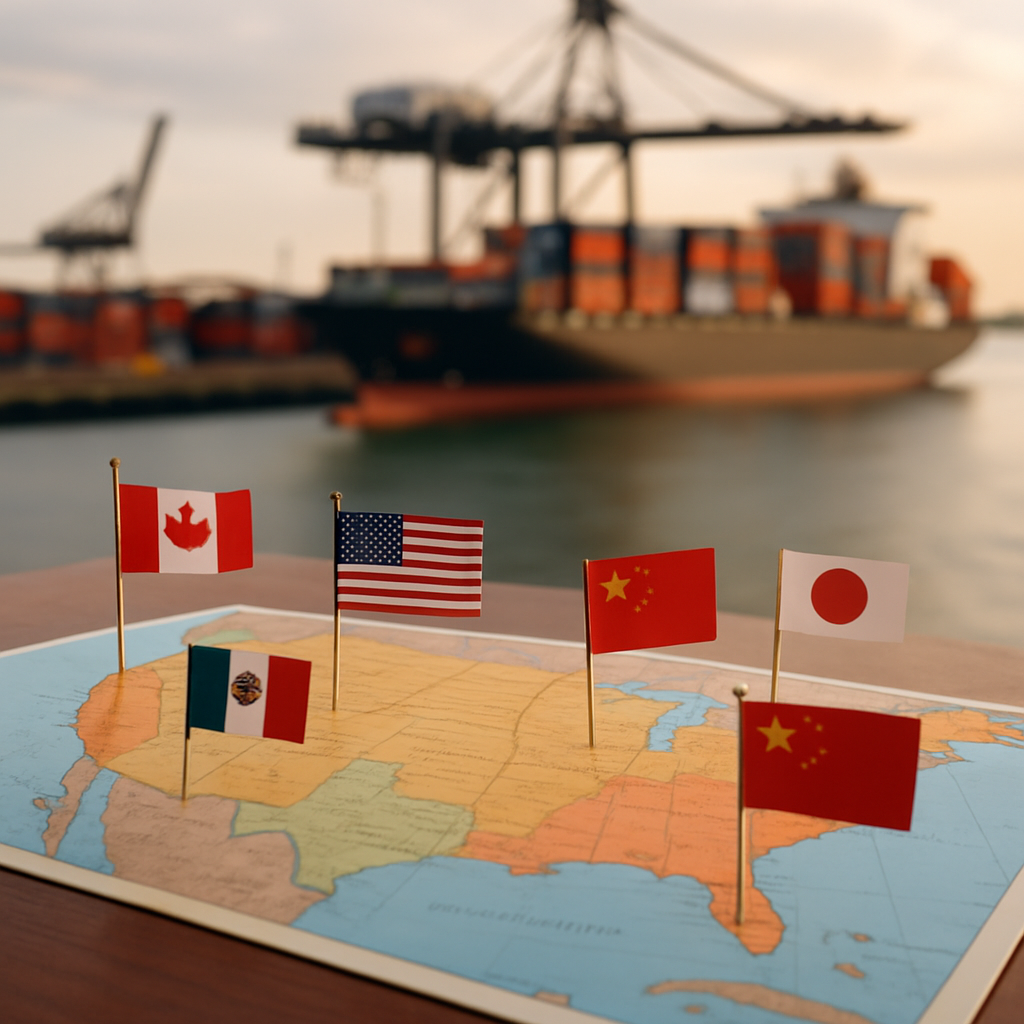
What Are the Us States Leading Import Trading Partners in 2026 by Country?
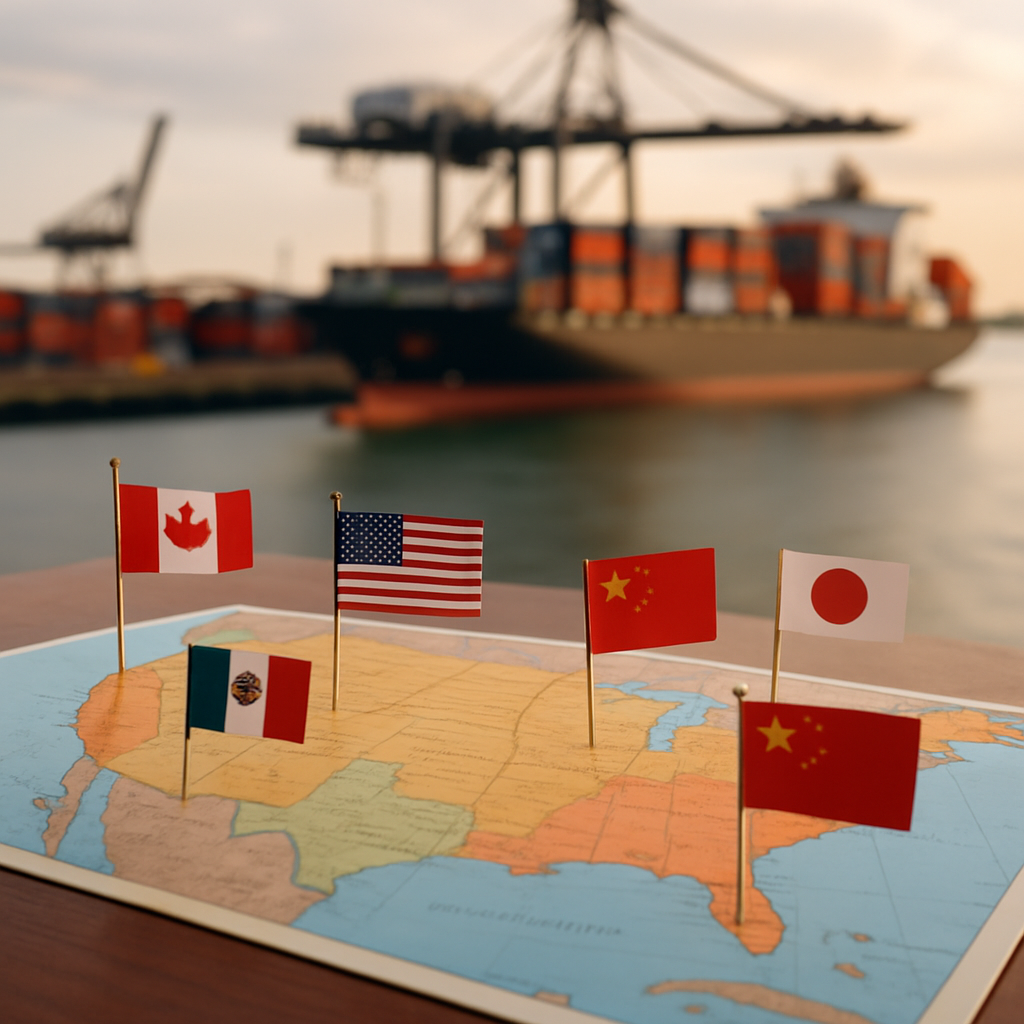
The leading import trading partners for U.S. states in 2026 overwhelmingly reflect deep, historic, and sometimes shifting global ties. Canada, Mexico, and China dominate most lists thanks to geographic proximity, supply chain integration, and manufacturing trends. Yet every state reveals its own quirks—whether driven by agriculture, tech, or resources. Understanding these connections helps you see which countries move the most goods across American borders and why changes in trade policy matter to your local economy.
Which Countries Are the Top Import Partners for U.S. States in 2026?
Canada remains the single most significant import partner for a majority of U.S. states in 2026. Mexico and China continue to be major players, while several states rely on partners like Germany, Japan, or South Korea depending on industry and location. Global supply chain shifts can influence these rankings, but cross-border trade with Canada and Mexico stands out across the map.
For example, northern states such as Michigan, Ohio, and Minnesota heavily depend on Canada for automobiles and machinery imports. Southern states including Texas and Arizona see Mexico leading due to strong manufacturing ties. On the West Coast, California regularly counts China as its top import partner, fueled by electronics and consumer goods. You can see how fluctuations in U.S.-Canada trade negotiations impact these relationships, especially when new tariffs are introduced.
States with unique industries—like Washington (aircraft, aerospace parts from Japan), or Louisiana (energy imports)—sometimes have top partners outside the expected North American circle.
How Does an Import Partner Map Highlight Differences by State?
Unlike national trade statistics, a state-by-state map of leading import partners illustrates the country’s diverse economic landscape. Each state often has a unique profile shaped by local industry, agriculture, or even geography. This creates a patchwork of dependencies and vulnerabilities across America.
A map for 2026 reveals the following trends:
- Border states often rely most on their neighbors—think Idaho and North Dakota with Canada, or Texas and Arizona with Mexico.
- States with major ports (California, New York, Georgia) tend to list China, Germany, or Japan among their leading partners, reflecting shipping routes and consumer demand.
- Midwestern states like Illinois and Wisconsin are frequently tied to both Canada and Mexico, showing how supply chains cross the continent from farm to factory.
This kind of state-by-state analysis can help business owners and policymakers anticipate how local economies react to international trade disputes, like those seen in Idaho’s agricultural sector during tariff negotiations with Canada.
What Drives U.S. Imports by Country at the State Level?
States import goods based on local consumption, industrial needs, and resource availability. The type of imports—whether electronics from Asia, vehicles from Canada and Mexico, or chemicals from Germany—reflects both state economies and global supply chains. Proximity, infrastructure, and trade agreements play a massive role in these decisions.
For example, manufacturing hubs in the Midwest draw components and raw materials from Canada and Mexico due to affordable transport and long-standing trade routes. Coastal states bring in high volumes of imports like electronics and textiles from Asian markets, while agricultural states might receive machinery or fertilizer from Europe and Latin America.
Political developments can quickly affect this balance. As seen in recent U.S.-Canada trade friction, tariff decisions ripple through specific state economies, with particular stress on sectors like farming and manufacturing.
States that are dependent on a single partner, such as Idaho with its strong Canadian ties, are especially sensitive to these changes. In contrast, more diversified states will often weather global disruptions more easily.
Who Are the U.S. Top 10 Trading Partners Historically and in 2026?
The U.S. top 10 trading partners at both the national and state levels have shown remarkable consistency over the past decade. In 2026, the usual group—Canada, Mexico, China, Japan, Germany, South Korea, United Kingdom, France, Taiwan, and India—remains formidable.
Yet shifts in manufacturing, evolving supply chains, and trade policy have nudged some nations up or down the list. China remains a major source of imports despite geopolitical pressures, while Mexico and Canada hold their spots thanks to USMCA (the successor to NAFTA).
- Canada: Consistently the number one partner for nearly 30 states.
- Mexico: Tops in Texas, Arizona, and parts of the South and West.
- China: Dominates import relationships for several high-population, port-heavy states.
- Japan and Germany: Critical for automotive and tech hubs like Tennessee and South Carolina.
- South Korea, France, and Taiwan: Growing roles, particularly in electronics and specialty manufacturing.
State leaders and business executives track these numbers closely, as they provide clues to vulnerabilities and growth opportunities in both exports and imports.
How Did State Import Partners Change in 2020 and 2021 Compared to 2026?
The years 2020 and 2021 brought dramatic shifts in import profiles for many states. COVID-19 disruptions, supply chain breakdowns, and new trade agreements all forced adjustments. Some states saw temporary dips in imports from Asia due to port congestion, while others increased trade with North American neighbors to shorten delivery times and manage risk.
States like California and Texas saw China remain a primary source but experienced increased diversity in import sources as companies sought alternatives. Northern border states like Michigan and Vermont deepened Canadian ties amid global uncertainty.
By 2026, many of these patterns persist, but supply chains are now more resilient and sometimes more regionally focused. States that used to depend on single partners—especially in manufacturing or agriculture—have often diversified as a buffer against global shocks, while some, like Idaho, remain highly tied to their neighbors, especially Canada.
The lesson? Watching year-over-year changes in your state’s top import partners reveals much about local economic shifts and points to where future risks and opportunities are likely to emerge.
Understanding which countries are the leading import trading partners for each U.S. state gives you invaluable context on not only current global economics, but also how international events and policy decisions might impact your business, job, or community in the years to come.