What the UK Fresh Produce Imports Report Tells Us About Where Fruits and Vegetables Come From in 2021 and 2020
 Import Export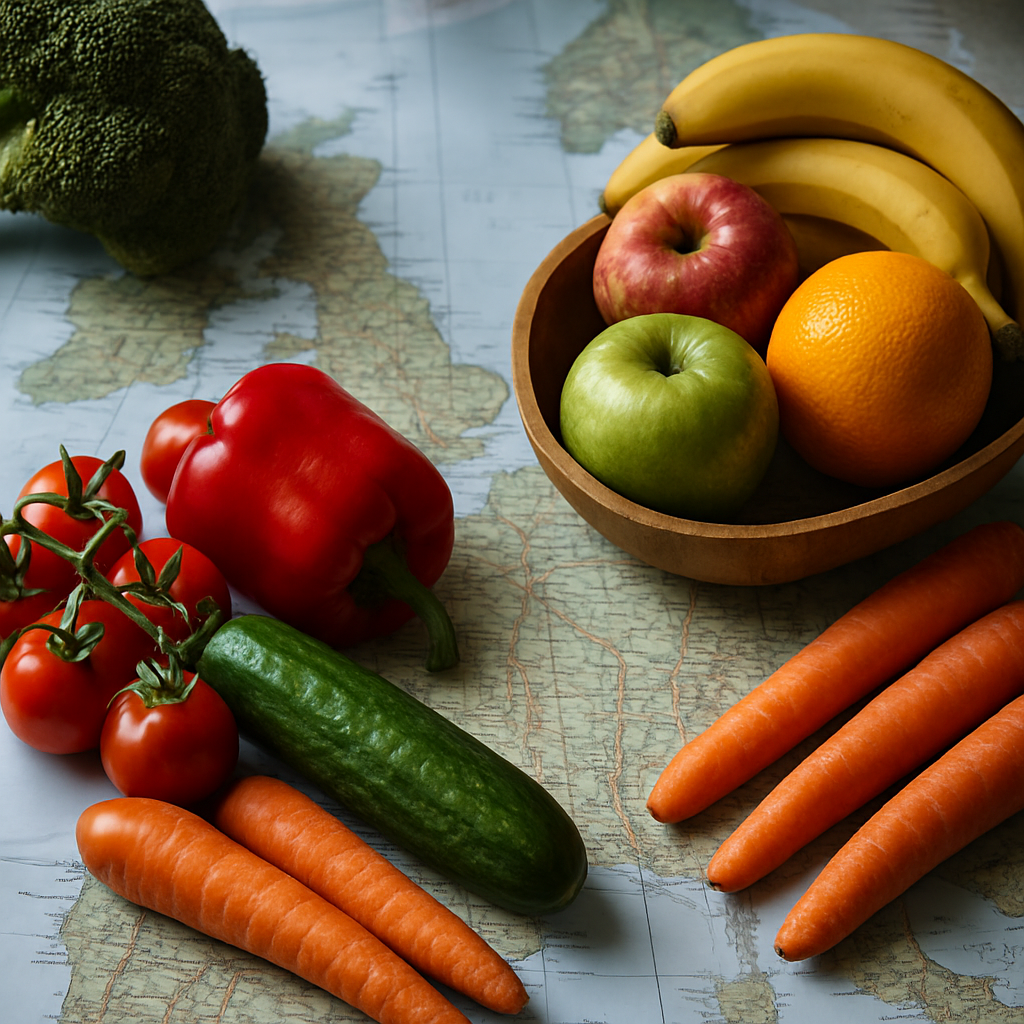
Roughly half of the fresh produce you see in UK supermarkets comes from abroad. The UK fresh produce imports report for 2021 and 2020 reveals that domestic farms supply just over 50% of the country's vegetables—but only about 15% of its fruit. Bananas, citrus, and many other favorites arrive by boat, not from British fields. If you have ever wondered how much of England's produce is imported, or where most fruit and vegetables actually originate, the data gives a clear—sometimes startling—answer.
How Dependent Is the UK on Imported Produce?
Recent trade statistics paint a picture of steady, long-term reliance on overseas growers. According to UK Fresh Fruits & Vegetables Market Growth Analysis 2032, in 2024, about 53% of all vegetables and less than 15% of all fruit eaten in the UK was grown domestically. That means roughly 47% of vegetables and a whopping 85% of fruit had to be imported. This trend is not new—UK self-sufficiency in fresh produce has steadily declined over the years.
Looking back to DEFRA data, the domestic share of fruit and vegetables combined dropped from about 42% in the late 1980s to just 22% in 2013 for all forms, with the fresh-only figure following a similar path. The key reason? The British climate does not easily support tropical fruits and some vegetables year-round. Imports fill those seasonal and regional gaps.
The UK is now Europe’s third-biggest importer of fresh fruit and vegetables, trailing only Germany and the Netherlands. Your shopping basket is generally filled with items from Spain, the Netherlands, South America, and Africa, not just local British farms.
Is It True the UK Imports 40% of Its Food?
You might have heard claims that the UK imports 40% of its food. The truth is, the precise figure changes yearly and by food category. For fruits and vegetables specifically, the imported share is much higher than the national food average. In value, recent import statistics show that in 2025, fruit and vegetable imports reached around USD 19.1 billion, rising about 4% year-on-year. As a share of all UK food, feed, and drink imports—totaling USD 86.0 billion in 2025—that’s a significant portion.
While the UK's food self-sufficiency (the share of food consumed that is home-grown) generally hovers between 55-60%, for fruits and vegetables, as we have seen, it's much lower. For products like bananas, grapes, and citrus, nearly 100% is imported.
This reliance on import supply chains makes the UK fresh produce sector highly sensitive to global events—from changing climate in producing countries to shipping delays or trade policy shifts.
Where Does Most of the UK’s Fruit and Vegetables Come From?
Much of the UK's fresh produce is sourced from European partners, but the country also looks much farther afield—especially for fruit. Spain and the Netherlands are key suppliers for vegetables: think tomatoes, peppers, and cucumbers. For fruit, Spain provides citrus, while countries like Costa Rica, Colombia, and Ecuador ship in bananas.
The United Kingdom market potential for fresh fruit and vegetables | CBI report explained that in 2021, imports of fresh produce into the UK exceeded €7.5 billion. A variety of African and South American countries figure in the supply chains, especially for out-of-season crops or those that cannot be grown easily in English conditions.
This wide supplier base helps keep supermarket shelves stocked year-round but introduces a new layer of exposure to global weather, politics, and economic change.
Processed food and animal feed are also affected by this import pattern, though the focus here is primarily fresh food. As diets become more varied and demand rises for tropical ingredients or out-of-season treats, that reliance appears only set to grow.
The Impact of Bananas and Other Major Imported Produce
Bananas are one of the most vivid examples of the UK’s produce import dependency. Unlike carrots or potatoes, which are staples in England's countryside, virtually all bananas are shipped in from thousands of miles away. In fact, bananas consistently rank among the most imported fresh fruits by volume and value.
This pattern extends to grapes, avocados, and pineapples, as well as citrus fruits. While locally grown apples, pears, and berries can help close the supply gap for part of the year, there is no escaping the UK’s need to buy abroad to satisfy consumer preferences. As a result, supermarkets and wholesalers monitor global supply chains closely, adjusting sources based on weather, trade conditions, and shifting supply contracts.
This heavy import reliance means global events—from hurricanes in the Caribbean to financial instability in producing countries—can have a rapid effect on what you find in your grocery aisle.
Long-term, industry observers note the importance of diversification and supply chain resilience. The evolution of import standards and the push for sustainability further influence who sells to the UK food market and under what certifications or regulations.
Trends in Import Volume and Self-Sufficiency: A Look at 2021 and 2020
Official trade data for the years 2021 and 2020 illustrates this import-heavy reality. Vegetable imports alone were valued at about USD 4.06 billion in 2024, according to trade analysis. Domestic home production of vegetables was around 2.6 million tonnes, while imports provided 2.17 million tonnes—making up a massive share of total vegetable supply.
- In 2021, UK fruit and vegetable imports topped €7.5 billion in value, accounting for about 12% of Europe’s total fresh produce imports.
- Home production for vegetables covered just over half of demand; for fruit, local output satisfied only a fraction.
- Export volumes remained minimal, keeping the vast majority of imported produce within the UK.
- These numbers mirror long-term patterns—steadily rising import values, modest local output, and a gradual decline in self-sufficiency especially for fruits.
Political changes, currency shifts, and changing dietary patterns could all affect future numbers. The impact of Brexit, new trade standards, and even changes in animal feed rules also play indirect roles in shaping this landscape.
As global supply chains evolve, ongoing monitoring and adaptation are essential for those selling or buying fresh produce in the UK food sector.

One thought on “What the UK Fresh Produce Imports Report Tells Us About Where Fruits and Vegetables Come From in 2021 and 2020”