Is Freeport LNG Operating After the Shutdown? Plant Capacity, Facility Timeline & Expansion
 Import Export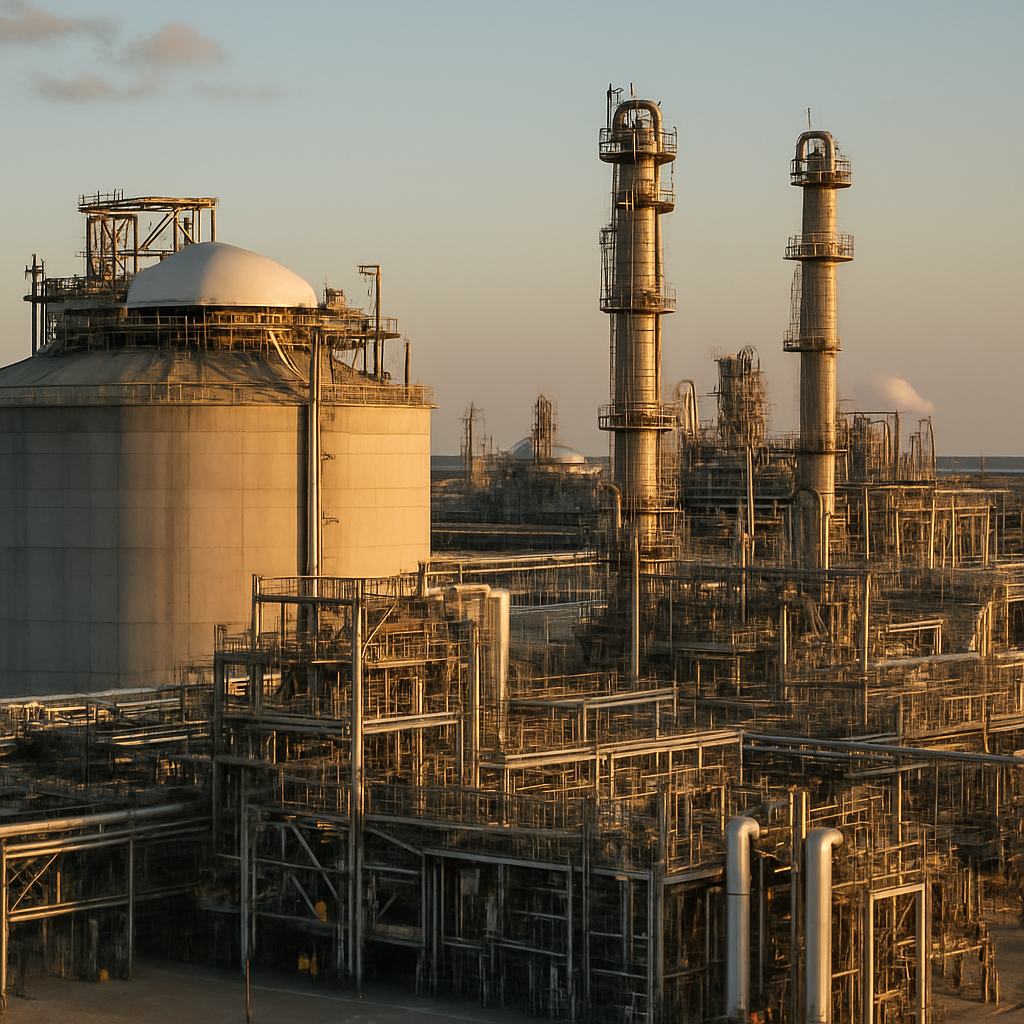
Current Operational Status of Freeport LNG
Freeport LNG, located in Freeport, TX, is one of the United States’ major liquefied natural gas export facilities. As of the most recent updates, Freeport LNG experienced a significant shutdown in June 2022 due to a fire caused by excess pressure in an LNG transfer pipeline. Though the main liquefaction plant, storage tanks, and dock facilities were not directly affected, full operations were suspended, and the facility was not expected to return to full service until late 2022, per company announcements and the U.S. Energy Information Administration.
Prior to the shutdown, Freeport LNG had been operating at high utilization rates, running close to 92% of its peak capacity from January to May 2022. However, after the incident, the plant temporarily halted LNG production and exports, leading to a considerable impact on both domestic supply and international contracts. The timeline for resuming normal capacity hinged on repairs, regulatory approvals, and a thorough investigation by authorities.
Freeport LNG’s capability to resume full-scale operations involved not only restoring damaged pipelines but also coordinating with offtakers under various contracts and satisfying compliance reviews by agencies like PHMSA. Updates on their official site and energy industry news releases provided ongoing clarity around this fluctuating operational status.
Facility Capacity, Plant Expansion, and Timeline
The Freeport LNG terminal features three operational trains, with a total baseload capacity of 1.98 billion cubic feet per day (Bcf/d) and a peak of 2.14 Bcf/d. These state-of-the-art liquefaction units are designed for both flexibility in sourcing and efficiency in output, supporting diverse offtakers—ranging from international buyers to domestic energy companies such as ConocoPhillips and BP, both of which have long-term contracts with the facility.
The facility has been in commercial operation since September 2019 and quickly became a prominent export terminal in the region. Freeport LNG’s developers have received full regulatory approval for a fourth liquefaction train, anticipated to add approximately 0.67 Bcf/d to total capacity. However, this expansion had not yet started active construction at the time of the shutdown.
Plant operations are supported by robust infrastructure, including dedicated pipelines capable of feeding stable natural gas supplies needed for continuous liquefaction and export. These pipelines are a critical component, as they ensure reliability not only for daily production targets but also for meeting obligations with signed offtake contracts. Any disruption, such as the one caused by the 2022 incident, requires reevaluation of these delivery and expansion timelines.
Location, Project Development, and Strategic Importance
Situated near Quintana Island in Freeport, Texas, the facility benefits from direct access to Gulf shipping lanes, making it a strategic hub for global LNG trade. The project’s historical development dates back to the mid-2000s, with significant investment and partnership from major global energy players. The terminal initially started as an LNG import site in 2008 before being converted to a dual import-export operation, reflecting shifts in U.S. natural gas production and global trade flows.
Freeport LNG’s all-electric drive motor plant is noted for being the largest of its kind, a feature that drastically reduces carbon emissions compared to traditional gas turbine-driven facilities. This emphasis on sustainability has made the project a model for future expansion and a preferred partner for environmentally conscious energy buyers.
The ongoing expansion plan, including the new Train 4, is closely watched by the market. Stakeholders anticipate that completion will further cement Freeport’s role as a leading U.S. LNG export terminal. However, the timeline for such projects is highly sensitive to operational setbacks like shutdowns, supply chain delays, and extensive regulatory investigations.
Project expansion and reliability are also subject to detailed reviews by local, state, and federal agencies, which can cause adjustments to the plant’s operational timeline. News releases, internal facility updates, and ongoing direct communications with offtakers are pivotal for maintaining transparency during such project phases.
Pipeline Operations, PHMSA, and Incident Investigation
Pipeline infrastructure is fundamental to the Freeport LNG plant’s successful operation and timely export capabilities. The fire in 2022 was specifically linked to a pressure build-up in a transfer pipeline, serving as a sharp reminder of the delicate balance between productivity and safety in complex LNG facilities. Immediately after the incident, the U.S. Pipeline and Hazardous Materials Safety Administration (PHMSA) initiated a formal investigation to determine root causes and recommend changes both for operations and facility expansion protocols.
Such investigations go beyond simply identifying technical failures; they often catalyze comprehensive updates to safety systems, management procedures, and emergency response planning. For Freeport LNG, this process involved rigorous internal reviews and ongoing communication with regulatory bodies to prioritize safety during the restart process and when planning future expansions.
Facility owners and operators must demonstrate robust mitigation and correction measures before full restart permission is granted, ensuring both pipeline and plant-level improvements conform to current best practices. The outcome of PHMSA’s findings will likely influence not just Freeport LNG’s next phase, but also future EPC (engineering, procurement, and construction) contract negotiations, development finance, and international offtake arrangements.
Stakeholders—including investors, offtakers, and nearby communities—follow these developments closely, as plant shutdowns and subsequent safety investigations can impact timelines for expansion, new start-ups, and even ongoing export contracts.
Contracts, Offtakers, and Market Implications
Freeport LNG’s facility has a diversified contract portfolio, supporting energy companies and trading houses such as ConocoPhillips and BP—many under long-term, capacity-based offtake agreements. Interruptions like the 2022 shutdown can trigger force majeure clauses and renegotiations, with potential downstream impacts on LNG pricing, volume scheduling, and project finance arrangements.
Restoration of operations was coordinated in close consultation with all partners and contract holders, as well as ongoing government guidance, to minimize negative market effects. Timely communication of shutdown and recovery timelines is essential not only for Freeport’s offtakers but also for broader U.S. LNG market forecasting and international trade planners.
The expansion project, including Train 4, is positioned to support additional contracts, and the long-term goal remains increased operational resilience and higher capacity for both domestic and overseas customers. Updates about new deals, capacity auctions, and operational news are regularly issued through official channels to ensure transparency and continuity for all stakeholders.
This ongoing evolution ensures that Freeport LNG remains at the forefront of North America’s LNG export sector, integrating global demand trends, offtaker needs, and best-in-class facility development standards.
Through careful project management and transparent stakeholder engagement, Freeport LNG continues to adapt its contracts and operational model in response to evolving market, regulatory, and technical requirements.
Continuous updates from industry sources and company news releases ensure that market participants remain informed about Freeport LNG’s operational status, facility capacity, timeline, and expansion plans.