International Shipment Release Import Meaning: Customs Approval, Delivery Process, and Delays Explained
 Import Export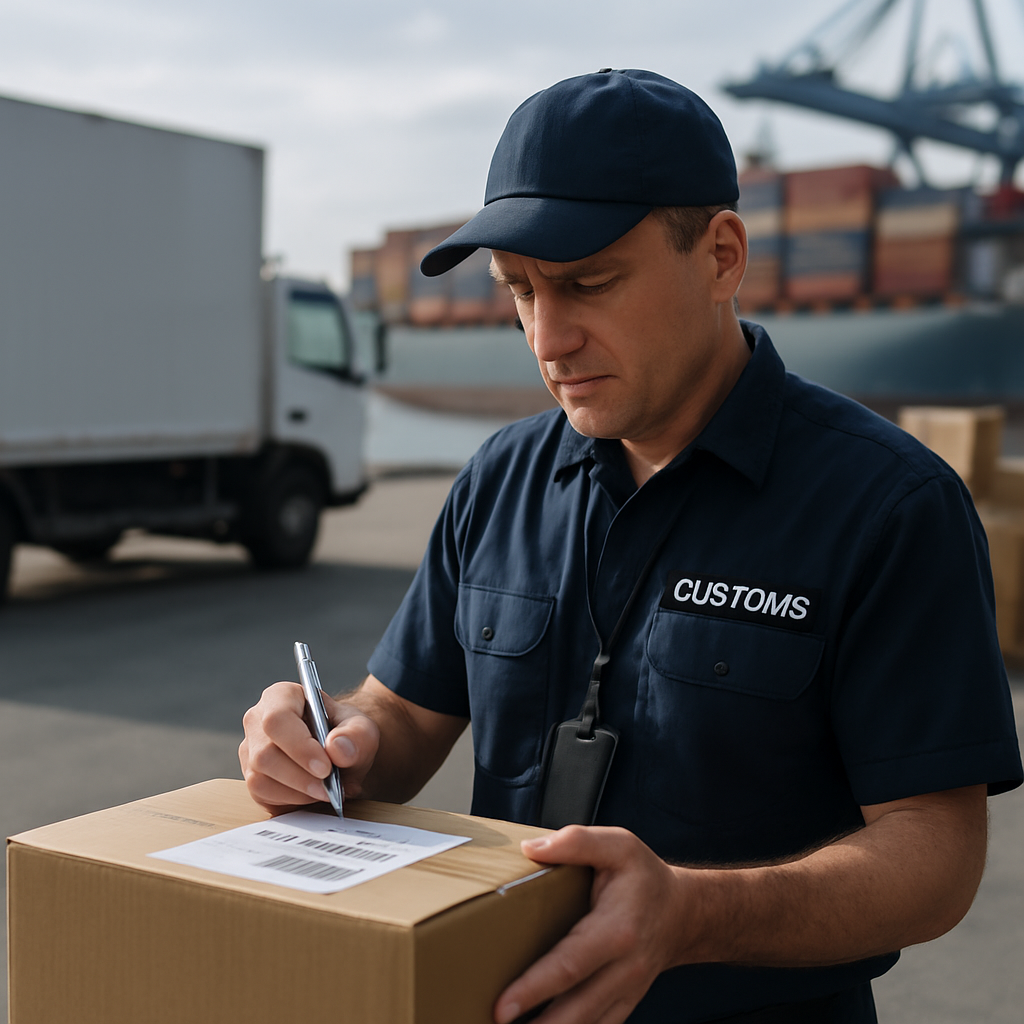
When you see the status 'International Shipment Release Import' in your tracking updates, it signals your package has successfully completed customs clearance and is officially authorized to enter the domestic delivery network of the destination country. This is a clear indicator that customs authorities have reviewed, assessed, and approved your shipment, meaning there are no further government holds — it now moves as a regular domestic package through local couriers like FedEx, UPS, or USPS. This article explores what this status truly means for your package, how the customs process works, the required documentation, potential sources of delay, and tips for ensuring a smooth release and prompt domestic delivery.
Understanding Shipment Clearance and Customs Authorization
Shipment release for import means the shipment has passed review by customs authorities of the destination country. At this stage, customs officers have verified the shipment's documentation, assessed any necessary duties or taxes, and confirmed the goods comply with local import regulations. Only after these requirements are met does customs grant release, effectively handing the package to the next stage: the domestic carrier for last-mile delivery. This vital handover is a turning point, transitioning your package from international to domestic status.
During the customs clearance process, several steps occur: submission of required paperwork (such as commercial invoices and packing lists), classification via the Harmonized System (HS) codes, and duty assessment based on local tariffs. Incomplete documentation, vague descriptions, or missing codes may trigger customs holds, prolonging the process. In most cases, though, customs reviews and clears packages within 1–5 business days, provided everything is in order. Reference details about this status from the ShipmatePlus International Shipment Release Import Guide.
For some couriers, you may also see complementary statuses such as 'International Release' or 'In Transit' after the carrier receives the cleared package. According to LetMeShip's guide on international tracking, these updates reflect each logistical stage after customs and before final delivery.
Essential Shipping Documentation and Duty Assessment
To facilitate customs release, shippers must provide detailed, accurate documents. The most crucial are commercial invoices, which list item descriptions, values, origin, and HS codes. Incorrect or incomplete paperwork is the most common reason for shipment delays during import release.
HS codes ensure proper classification for duty and tax purposes. Errors here might result in unpaid duties or additional verification, leading to a customs hold. To avoid this, check that all documents are filled out in advance, with clear product descriptions, quantities, and true values declared. This increases the likelihood of swift customs clearance.
Before release to the domestic carrier, customs must also assess and collect all required taxes and duties. Payment issues—whether from missing or delayed transactions by the sender or receiver—can cause the shipment's release to be postponed.
Effective communication between sender, recipient, and carrier is key. Being proactive about documentation and payment ensures your package transitions quickly once it arrives in the destination country, as highlighted in several authoritative shipment tracking resources such as the Shipment Clarity article.
What Happens After Customs Release?
Once the shipment receives the 'International Shipment Release Import' status, the national carrier takes over for last-mile delivery. The package now travels through the destination's domestic network, with routing much like any internal shipment. Depending on the carrier's speed and local infrastructure, this stage may take from a single day to several days, especially in rural areas or during busy periods.
Tracking updates will typically progress through statuses like 'Out for Delivery' or 'Arrived at Local Facility' before finally being marked as 'Delivered.' It's important to understand that after customs, the remaining transportation steps do not typically involve further regulatory checks, unless a delivery exception occurs (such as an address issue or failed delivery attempt).
If you see delays after clearance, it's most likely due to volume at hubs, weather events, or local logistical bottlenecks — not further customs reviews. You can always confirm the latest status with the shipper's official tracking tool cited in the shipment's release notice.
Common Reasons for Delays After Import Release
While most shipments move efficiently after customs release, occasional snags may arise. Here are several common reasons:
- Paperwork issues: Missing or problematic documents might delay handover to the carrier, even after customs clearance.
- Unpaid duties: If payment doesn't clear promptly, the package may be temporarily held until rectified.
- Inspection hold: Random security or agricultural inspections can still occur, occasionally adding time.
- Carrier backlogs: Large hubs or rural areas may cause minor delays due to volume or limited routes.
- Address discrepancies: Incorrect or incomplete recipient information often slows the final delivery stage.
Most delays can be resolved within a few days, and tracking updates typically provide clear insight into the specific reason for any holdup. Always ensure both sender and receiver check their contact info and payment status if a post-release delay occurs.
How to Ensure Fast, Trouble-Free Import Release
For those regularly involved in global shipping, several best practices help maximize the chance of a seamless customs release. First, always use accurate, specific HS codes and product descriptions on every document. Double-check that commercial invoices match package contents exactly. Proactively communicate with your contact in the destination country to clarify any expected taxes or duties.
Maintaining up-to-date recipient data (address, phone, email) ensures the carrier can reach the final destination without issue, whether you use FedEx, UPS, USPS, or other major couriers. Many experts recommend prepaying duties whenever possible to avoid hands-on processing time after arrival at customs. Streamlined documentation is especially important for e-commerce merchants or frequent importers.
By following these steps and understanding what 'International Shipment Release Import' means, you minimize delivery surprises and enjoy a faster, more predictable experience for both sender and receiver.
For detailed, carrier-specific tracking advice or for current official definitions of international import statuses, consult guides like ShipmatePlus and LetMeShip.
Once you recognize the significance of the international shipment release import status and prepare accordingly, you can ensure smoother shipping experiences and prompt delivery of your packages every time.