Are Trump's Tariffs Still in Place Today? The Impact on US-China Trade and the Economy in 2026
 Import Export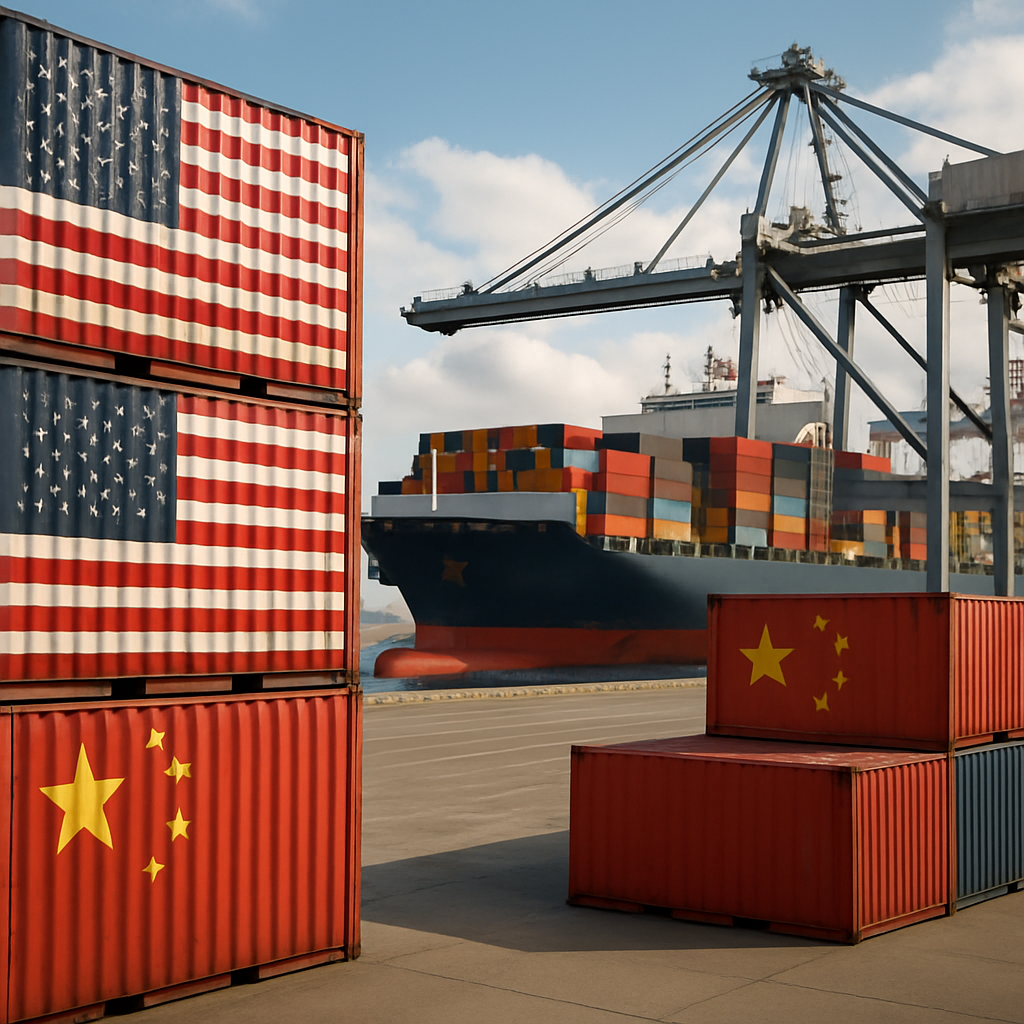
The Current State of Trump's Tariffs and Their Ongoing Economic Effects in 2026
As of 2026, many of the tariffs implemented during Donald Trump's presidency—especially those targeting imports from China—remain part of the United States' trade policy. These tariffs, originally designed to protect U.S. producers and rebalance global trade relationships, continue to influence American consumer prices, international trade dynamics, and economic growth. Despite political changes and public debates about their long-term consequences, the core structure of these tariffs survives, consistently affecting everything from inflation rates to import volumes and American GDP.
The History and Timeline of US Tariffs on China: Context and 2026 Status
When the United States first imposed sweeping tariffs on Chinese goods in 2018 and 2019, the stated objective was to address the trade deficit and alleged unfair practices by China. Over time, these tariffs—often referred to as section 301 tariffs—grew into an expansive list, covering hundreds of billions of dollars’ worth of imports. Countries such as Canada, EU member states, and India soon found themselves navigating the shifting landscape of global trade rules, seeking to offset the disruptions caused by these new U.S. tariff rates.
Despite the contentious politics surrounding these measures, subsequent administrations have preserved major portions of Trump’s tariff list. Policy analysts and international economic organizations, such as the World Trade Organization (WTO), regularly provide updates and assessments, showing how these tariffs contribute to ongoing trade tensions, especially between the United States and China. As of this year, reviews and periodic announcements determine if additional items are added, rates are altered, or specific products are granted exemptions, but the broad framework endures.
For importers, traders, and policy-watchers, official resources such as the Office of the US Trade Representative’s Section 301 announcements offer granular annual data, including new tariff codes, country-specific rates, and the up-to-date timeline of past and current measures.
Who Pays for US Tariffs and What Is the Real Impact on Consumer Prices?
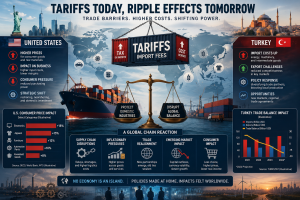
A widespread belief at the outset was that foreign exporters—particularly Chinese manufacturers—would absorb the bulk of tariff costs. However, research and actual trade outcomes have repeatedly shown that U.S. consumers and businesses bear a significant portion of these expenses. By increasing the import costs of items ranging from electronics to apparel, these tariffs typically translate to higher prices for American buyers.
Various economic studies, including those by the OECD, have documented the pass-through effect: importers pay the tariffs when U.S. Customs collects duties, then pass those costs along the supply chain. As a result, consumer prices in the USA have gone up for many affected products since Trump-era tariffs took effect. Policymakers and analysts debate the overall impact, but a wide consensus exists that tariffs act as a form of indirect taxation for domestic consumers and producers alike.
Some U.S. industries—such as steel or aluminum—may benefit in the short run from higher import costs faced by foreign competitors. Yet, American companies reliant on imported inputs also face higher production costs, and ultimately, U.S. producers and consumers grapple with reduced international competitiveness and elevated inflation pressure.
Tariff Policy Updates: New Announcements, Country Codes, and Ongoing Changes in 2026
Tariff schedules and country lists are not static; they continue to evolve through yearly policy reviews. As the Biden and subsequent administrations reassess their trade tools in 2026, targeted changes are announced via official channels, updating rates and specific product codes. For businesses seeking the latest US tariff announcements, the U.S. government’s official PDF reports, updated country lists, and interactive lookup tools help companies and individuals keep pace with these changes.
Trade partners such as the European Union, India, Canada, Malaysia, and the UK regularly adapt their own tariff regimes in response. Retaliatory measures, negotiation of trade deals, and adaptation to American protectionism have been hallmarks of contemporary global trade policy. Updates, including new tariff rates or changes to the list of affected imports, are closely monitored by global markets and reported by economic media, sometimes summarized by sources like Bloomberg or through special analyses such as the latest OECD reports on tariff effects and economic outlooks.
Market participants also rely on online search tools and calculators to determine current rates, volume changes, and projections for the coming year. The timeline of tariff history and current status, especially for 2025 and 2026, provides essential context for understanding the ongoing impact on international trade relations and domestic economic performance.
Global Trade Relationships, Economic Outcomes, and the Effect on US Producers
The continued application of tariffs on imports from China and other countries has shaped much more than the bilateral US-China relationship. Global supply chains have been reconfigured, with some companies relocating manufacturing to third countries to avoid higher duties, or redesigning products to qualify for exemptions based on origin country rules.
For American producers, the picture remains mixed. Some benefit from better protection against foreign competition—especially in sectors like steel and solar panels—while others, including agricultural exporters and manufacturers reliant on imported components, suffer from retaliatory tariffs and increased input costs. The net result is a complex interplay impacting employment, investment, and the country’s trade balance.
- International Trade Balance: Despite hopes that tariffs would substantially lower the US-China deficit, the overall trade gap remains considerable. While some categories of imports have decreased, others have shifted through alternate routes or different suppliers, blunting the intended effects and illustrating the nuances of global economic relationships.
- Global Growth and Inflation: The persistence of trade barriers has contributed to higher global inflation, evident in rising consumer prices across multiple countries. Organizations such as the IMF and World Bank track how these price increases influence growth prospects worldwide, noting negative as well as positive aspects for different economies.
American and Canadian GDP growth has shown periods of resilience but also volatility due to persistent trade tensions and the cost implications of tariffs. Meanwhile, Europe and Asia continue to pursue alternative trade and investment partnerships, recalibrating alliances and confronting new economic realities.
US Tariff Policy: Purpose, Updates, and Future Scenarios
Tariffs remain a strategic tool in the US trade arsenal. Their purpose is, and always has been, to exert pressure, protect certain domestic industries, and reshape international economic relationships—regardless of changing political leadership. The timeline of these tariffs demonstrates that, while justified by references to unfair competition or national security, trade barriers are difficult to reverse due to their embedded economic and political interests.
Looking at 2026 and beyond, analysts forecast ongoing debate about whether the existing tariff structure is good or bad for the United States. Some argue that tariffs provide needed leverage and promote fairer trade deals; others contend that the costs, particularly for consumers and globally integrated US producers, outweigh any perceived benefits.
Current updates, tracked by entities such as the WTO and detailed through federal trade bulletins, show a pattern: while tactical adjustments are frequent, significant dismantling of Trump's tariff policies appears unlikely without a major shift in U.S. policy or breakthrough trade negotiations with China and other trade partners. For now, the tariffs remain a defining element of American trade strategy, with direct consequences for inflation, consumer prices, and global economic growth.
For anyone looking to understand how the US tariffs of the Trump era continue to shape international trade, inflation, and domestic industry, the answer is clear: they are largely still in place, actively influencing global economic relationships and the everyday prices faced by American consumers and producers.