Understanding VAT Rates and Customs Duties for Importing Products from Mexico to the USA
 Import Export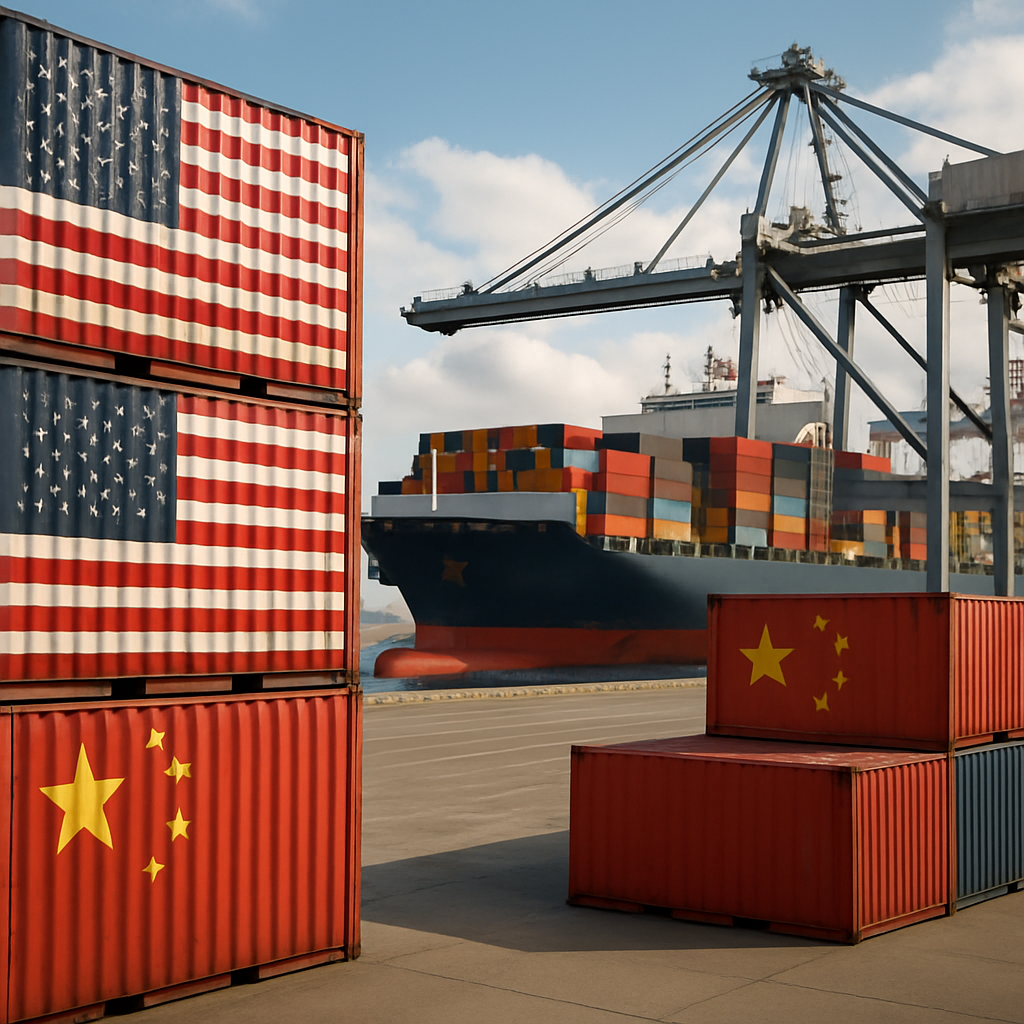
Importing goods such as mezcal, tequila, vehicles, coffee, or electronics from Mexico into the United States requires a solid grasp of VAT rates, customs duties, clearance procedures, and applicable regulations. At the heart of every successful cross-border transaction is compliance: importers must accurately declare goods, comply with U.S. Customs and Border Protection (CBP) standards, and be aware of both tax and duty rates that vary based on the product category, value, and country of origin. Failing to align with these requirements not only leads to costly delays, but may result in seizure of goods and significant penalties.
VAT Rate Comparisons and U.S. Importation
Unlike many countries, the United States does not impose a value-added tax (VAT) at the national level. Goods imported from Mexico, however, may be subject to Mexico's VAT when sold domestically; this does not automatically transfer to the U.S. import process. Importers should focus on U.S. import duties and sales taxes at the state level. For instance, if you're shipping electronics or consumables such as tequila, these will be assessed for customs duties and then potentially taxed further depending on where in the U.S. they are distributed.
VAT in Mexico generally sits at 16%. When exporting products such as shoes, fruit, or wine to the U.S., exporters can often claim a VAT refund in Mexico, provided the goods are exported properly with supporting documentation. On receipt in the U.S., only the respective customs duties and local sales taxation apply. To ensure legal compliance and maximize savings, consulting the U.S. International Trade Administration guidelines is recommended.
The regulation of VAT refunds for Mexican exporters can be intricate, especially for industries like medical equipment or pharmaceuticals. Familiarity with both Mexican and American requirements helps companies sidestep double taxation and remain competitive in the global market.
Customs Duties and Import Regulations for Key Products
U.S. customs duties, also referred to as "tariffs," depend on the type of product and its harmonized system (HS) code. For example, importing mezcal or tequila is governed under alcoholic beverage regulations, which can attract higher duties and require specific labeling or distribution licenses. Vehicles, including cars and motorcycles, may be subject to substantial tariffs—particularly if they do not meet certain environmental or safety standards.
Food items such as fruit, coffee, and wine must comply with FDA regulations in addition to customs duties. Some categories, like chemical, electrical, or medical and pharmaceutical imports, demand extensive paperwork and may require pre-import approval from agencies such as the Environmental Protection Agency (EPA) or Food and Drug Administration (FDA). For the most accurate calculation of import duties for a specific product, the U.S. Harmonized Tariff Schedule is an indispensable resource.
Distributors often work closely with customs brokers in the U.S. to facilitate compliance, manage documentation, and expedite the logistics of clearance. This relationship helps businesses avoid costly misclassification or underreporting, which can result in audits or fines.
Distribution, Wholesale, and FMCG Importation Practices
The fast-moving consumer goods (FMCG) sector—including items such as food, coffee, beer, and electrical goods—demands nimble distribution strategies. U.S. importers frequently partner with Mexican producers to secure supply chains and maintain competitiveness in wholesale markets. The customs clearance process for these goods can be expedited by using well-documented logistical flows and by understanding the correct customs procedure for each product.
Foodservice distributors and new FMCG importers must register with the FDA before shipments are sent. For alcohol, such as beer, tequila, or mezcal, importers need a federal basic permit in addition to state-level licensing. All imports are processed and tracked via CBP before final release, so using an experienced customs broker or clearing agent is highly advisable to manage the multi-step process efficiently. A comprehensive guide to U.S. import requirements can be found at the CBP Basic Import and Export page.
Wholesale businesses that import electrical, wine, or tire products need to factor in both duties and safety specifications—e.g., DOT compliance for tires or UL listing for electrical goods. Keeping abreast of regulatory updates helps businesses avoid interruptions and ensure ongoing market access in the U.S.
Temporary Import Permit and Importation Costs
Some import scenarios, such as exhibiting products at U.S. trade shows (including electronics, chemicals, or even boats), may qualify for a temporary importation under bond (TIB). This allows goods to enter without immediate payment of duties, provided they are re-exported within a designated timeframe. The cost and process for obtaining a temporary import permit varies by product category and intended use.
Importing vehicles from Mexico to the U.S. is heavily regulated. To obtain a temporary permit for a car or motorcycle, importers must adhere to Department of Transportation (DOT), Environmental Protection Agency (EPA), and customs requirements. Required paperwork includes original titles, bill of sale, and proof of non-lien status, with some exceptions for antiques or race vehicles. The total cost can include bond fees, customs duties, and logistical expenses, so budgeting accurately is crucial.
Each good has a distinct customs rate, and temporary importation is most beneficial when goods will not remain in the U.S. permanently. For an up-to-date overview on costs and requirements, consult the CBP TIB information resource.
Import Paperwork, Declaration Process, and Compliance Timeline
The import declaration process begins with accurate paperwork. This includes the commercial invoice, packing list, bill of lading, import permits (where applicable), and a completed entry summary (CBP Form 7501). First-time importers should understand that the time taken for customs clearance varies: express couriers like DHL may complete import processing within days, while large commercial shipments using containerized sea freight may be subject to longer reviews, especially for high-value or sensitive categories.
To avoid delay, importers should ensure all documentation precisely matches the goods shipped and provides clear country-of-origin labelling. U.S. customs procedures are strict, and discrepancies often result in goods being held for compliance checks, potentially adding weeks to the process. Many importers use tracking solutions—either through their freight forwarder or integrated systems from carriers like DHL—or refer to customs 'flow charts' and official process guides published by trade agencies.
Correctly declaring items is essential for a smooth import experience and avoidance of regulatory pitfalls. Importers can seek specific advice for complex products or uncertain paperwork requirements from authoritative government sources such as the U.S. International Trade Administration Importing Guide, ensuring adherence to U.S. customs and federal regulations.
Special Cases: Importing Unique Goods Like Dogs, Medication, or Electronics
Some goods—like live animals (e.g., dogs), medications, or certain electronics—face heightened scrutiny. Importing a dog from Mexico to the U.S. requires veterinary documentation, vaccination records, and advance notification to USDA and CBP for entry approval. Importers of personal medication must declare these products upon arrival and carry prescriptions; some substances are restricted or prohibited without explicit prior authorization.
On the other hand, importing electronics for business distribution often requires additional certifications, such as FCC approval, and—depending on the product—compliance with hazardous substances regulations. Importers must prepare detailed technical documentation, including product specifications, batch numbers, and compliance certificates. Failing to prepare in advance regularly results in customs holds and substantial processing delays.
For all special categories, knowing what items you are (or are not) allowed to bring into the U.S.—by plane, car, or boat—is indispensable. Relying on the official U.S. prohibited and restricted import list keeps both businesses and individuals within legal bounds while managing unique cross-border trade scenarios.
Mastering the intricacies of VAT rates, customs duties, and American import regulations ensures a lawful, profitable, and efficient entry for goods moving from Mexico to the United States.